




UHCL’s Transforming Lives by Degrees celebrates 50 years

“Education has given me a new outlook on life. I firmly believe that knowledge is the vehicle for change.” These powerful words, spoken by an inmate of the Texas Department of Criminal Justice (TDCJ), reflect the life-changing impact of University of Houston-Clear Lake’s Transforming Lives by Degrees (TLD) program. For 50 years, TLD has provided incarcerated individuals with the opportunity to earn a college degree while serving time, offering not just an education, but a second chance.
Founded in 1974, the program has transformed lives, empowered minds, and helped redefine their future, all while embodying UHCL’s mission to transcend boundaries and uplift communities. This year, as TLD celebrates its 50th anniversary this year alongside the university that founded it, it serves as a powerful reminder of the lasting impact education can have on justice-impacted individuals, and the enduring dedication of the faculty, graduates, and supporters who have contributed to its success.
“Teaching the most marginalized people in society — the incarcerated — demonstrates these individuals’ hunger for knowledge, but more importantly, they are willing to work for their second chance,” said Dr. Kimberly Dodson, a criminology and criminal justice professor who began teaching for the program in 2019.
Adding to this, Dr. Shreerekha Pillai, the associate dean of the College of Human Sciences and Humanities, shared, “The faculty wanted to make a university that was inclusive for working adults, and I think part of their aspiration was that these ‘people’ should include those who are incarcerated. They need to be educated, too, because that’s going to serve our society in the long run.”
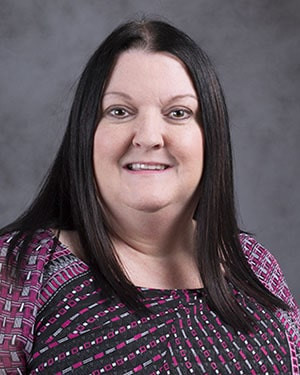
“Teaching the most marginalized people in society — the incarcerated — demonstrates these individuals’ hunger for knowledge, but more importantly, they are willing to work for their second chance."

About the Program
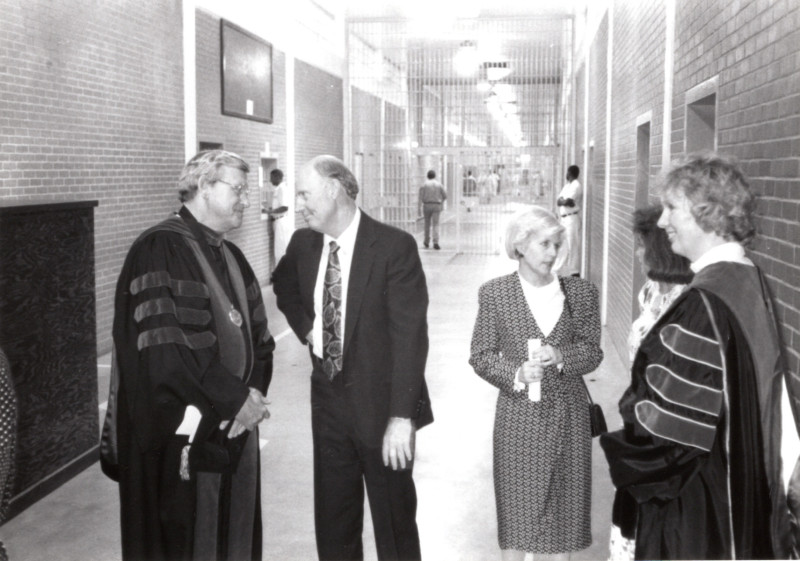
TLD is a remote component of UHCL that allows inmates to become college graduates, without ever setting foot on campus. Instead, UHCL faculty bring the education to them at the W.F. Ramsey Unit, a TDCJ prison farm in Rosharon, TX. Inmates can earn one of two interdisciplinary undergraduate degrees from UHCL’s College of Human Sciences and Humanities: a Bachelor of Arts in Humanities or a Bachelor of Science in Behavioral Science-General. They can also earn a Master of Arts in Humanities after successful completion of their undergraduate degree. The degree requirements for incarcerated UHCL students are the same as the ones for any other UHCL student.
TLD courses are taught exclusively by UHCL faculty, and each professor chooses to teach in the program; UHCL has never required any faculty member to participate in TLD as a condition of employment. Many consider this a strength of the program and a testament to the unwavering support of its mission over the years.
Throughout TLD’s 50-year history, students have earned degrees via funding from various sources, including grants and loans. In 2016, UHCL was one of 62 colleges and universities selected to participate in the Second Chance Pell Experiment. The Obama-Biden Administration launched this initiative in 2015 to expand access to Federal Pell Grants for incarcerated individuals enrolled in a prison program. TLD still benefits from this initiative today.
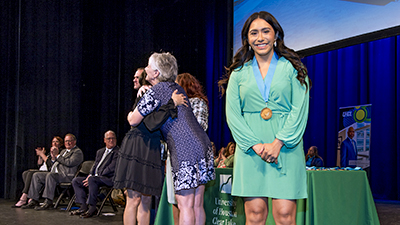
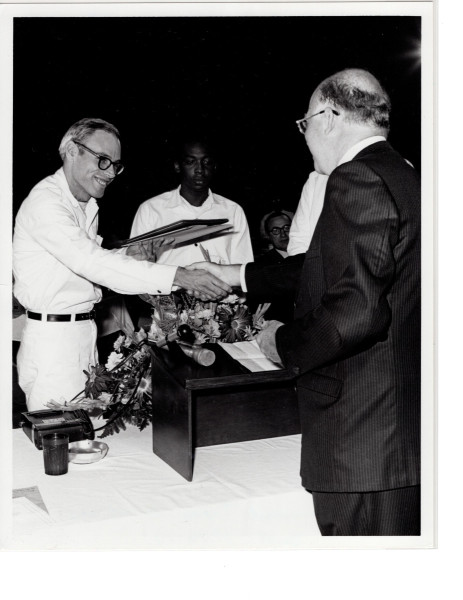
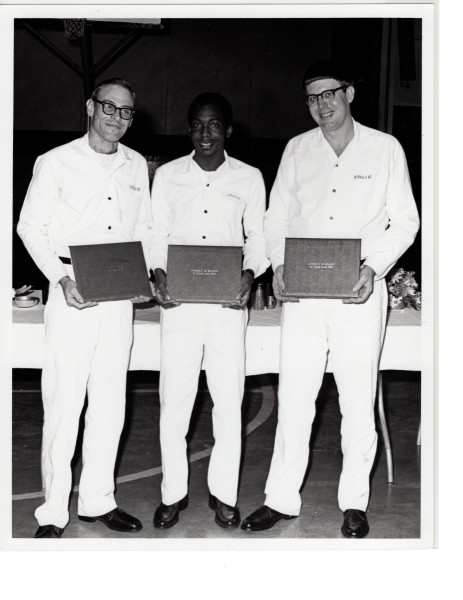
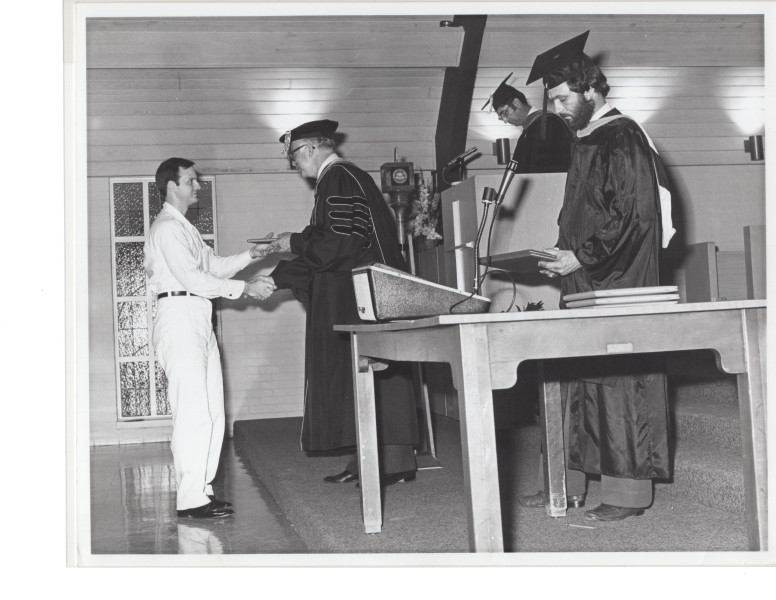
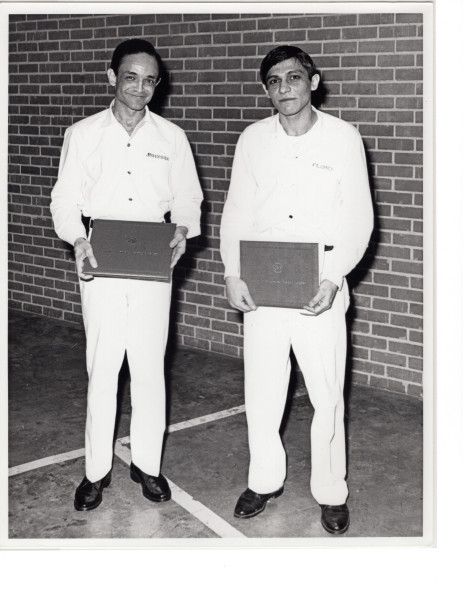
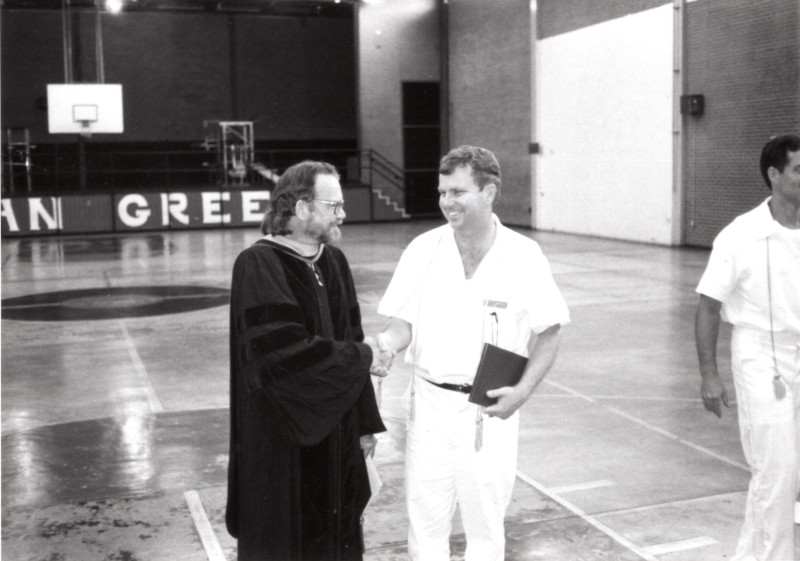
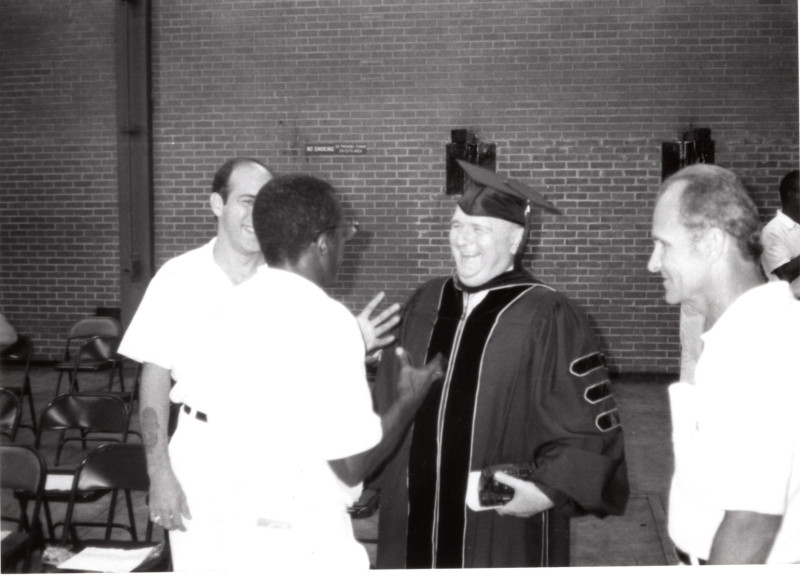
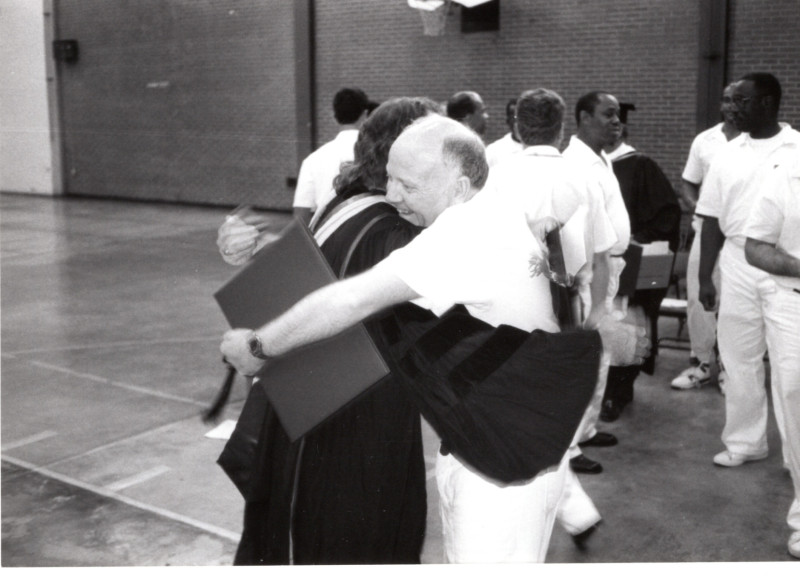
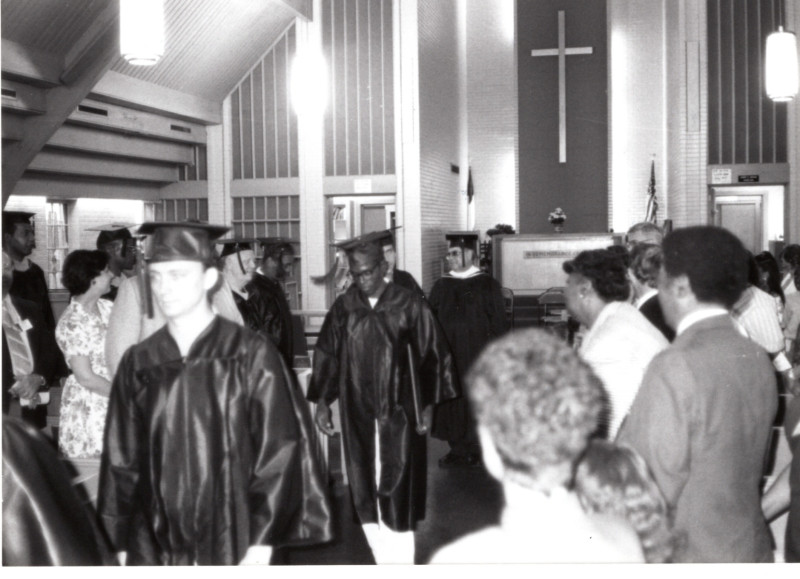
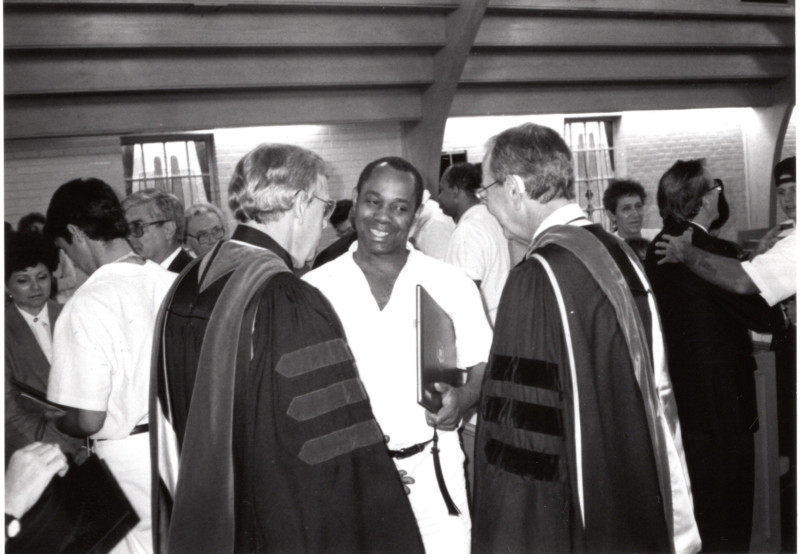
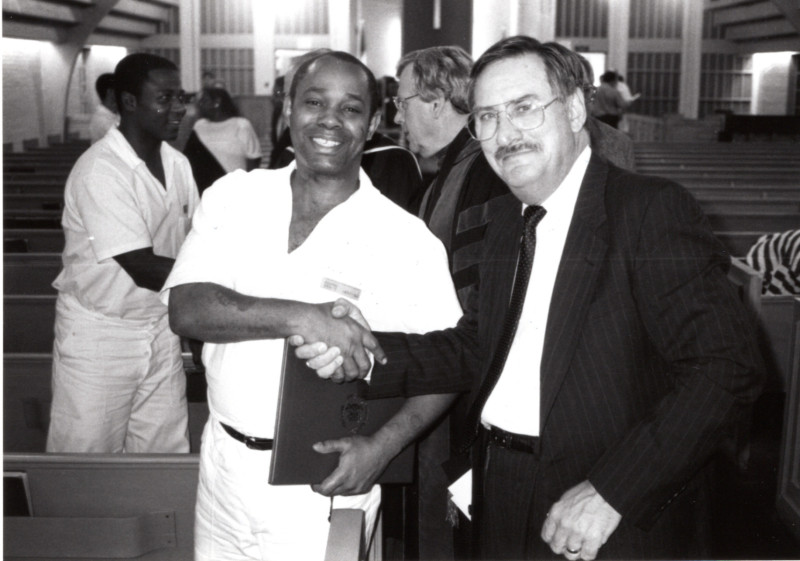
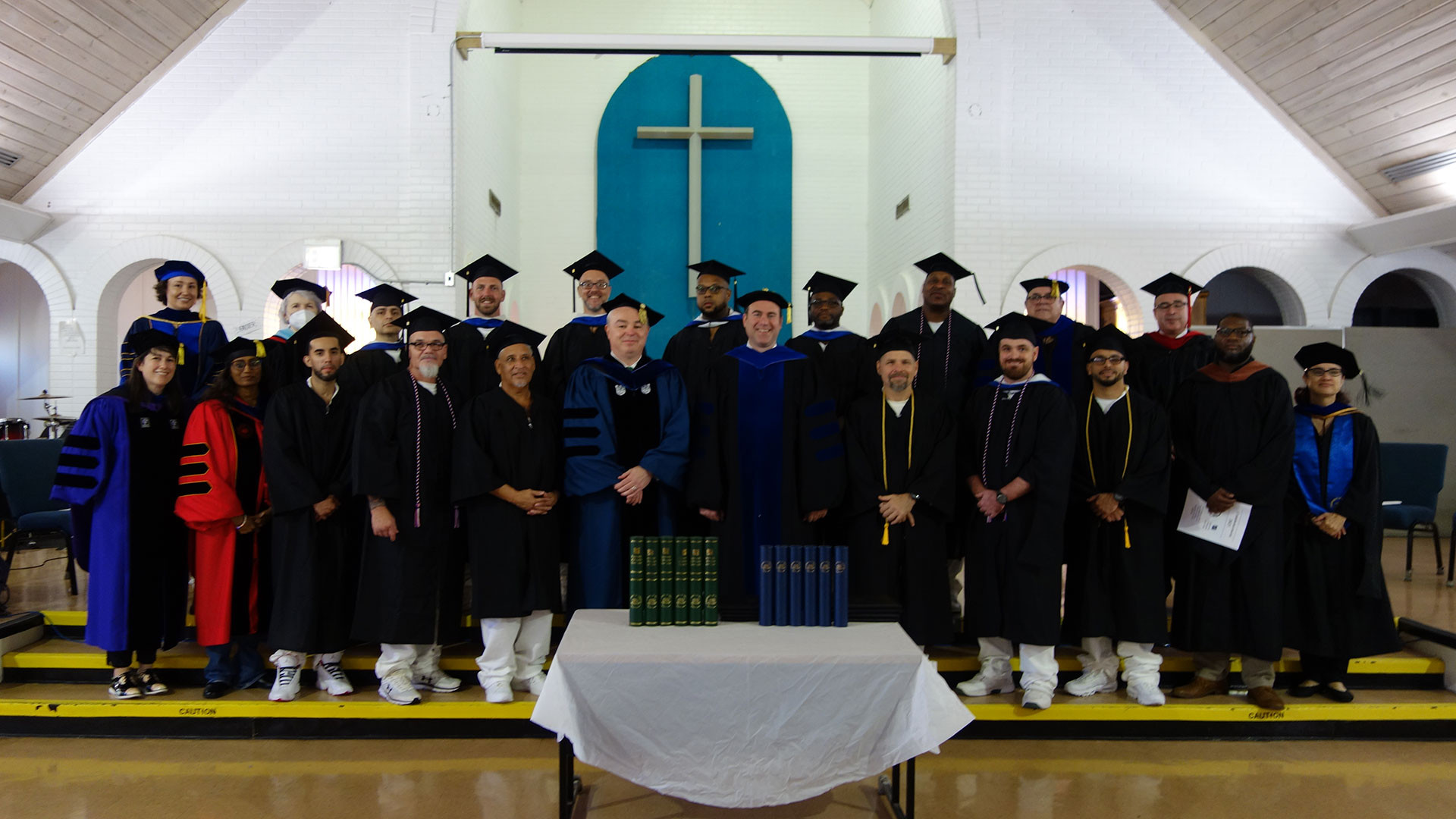
After completing the program, students can participate in a commencement ceremony at the unit, donning caps and gowns like any other college graduate. They also have the opportunity to speak publicly about their experience with TLD in front of family, friends, faculty, and other program supporters. Dr. Amy Lucas, an HSH department chair associated with TLD, shared her thoughts about the program.
“The students and faculty are so dedicated to the true value of education, in terms of wanting to use education to develop skills to learn how to critically think and engage in dialogue,” she said.
Impact of the Program
To date, almost 700 students have graduated from TLD, including more than 300 who have earned a master’s degree. Many have found employment in sites such as the Texas Railroad Commission, the Texas Commission on Alcohol and Drug Abuse, community corrections centers, substance abuse treatment facilities, and even at UHCL. Others have furthered their education and started small businesses, but the benefits of the program transcend gainful employment. The recidivism rate, financial impact on the community, and psychological transformation of the graduates also play a role in the program’s impact.
“Across the board, studies of correctional education have demonstrated a remarkably consistent reduction in recidivism by as much as 50%, and in some cases to an untraceable amount at the master’s level,” explained Dr. William Powers, the program director.
Keeping people out of prison saves tax dollars, he added. The number of individuals in Texas prisons has a direct impact on the amount of money in correctional budget savings, according to RAND Corporation. In addition, correctional education programs help improve the prison environment.
“One of the clearest and most immediate benefits of correctional education is that in many cases, students who are also offenders take leadership roles in mentoring and tutoring programs in the prison,” said Powers. “The prison is a safer unit because of the presence of these academic programs.”
Pareshkumar Patel, a graduate of TLD, took on a leadership role while incarcerated. He said he encountered many men who lacked math skills, so he began teaching math for GED classes at the Ramsey Unit. After his tutoring proved successful, he was transferred to the education department at the unit.
From a psychological standpoint, the program makes a positive impact on the minds of the graduates as well. After completing the program, graduates do not leave prison the same way them came. Dr. Pillai has witnessed this change firsthand; she began teaching for TLD in 2007.
“They’re coming back to society as deeply reformed, deeply thoughtful, introspective, and kind people, people who have literally found their sense of themselves,” she said.
“Across the board, studies of correctional education have demonstrated a remarkably consistent reduction in recidivism by as much as 50%, and in some cases to an untraceable amount at the master’s level."
Faculty Testimonies
The program would not have lasted 50 years without the dozens of faculty members who believed in its mission. Many professors taught with TLD for several decades, including Dr. John Gorman. Gorman, a charter literature and humanities professor, was one of the program’s first faculty members and taught for 40 years before retiring. He described his time at the prison as “one of the key elements” of his life at UHCL and recalled meeting “many wonderful students.”
“It was a pleasure to provide intervals of civilized discourse on important matters where men were called Mr. X or Y or Z and a sense of friendly (usually) community and mutual involvement developed,” he said. “There was seriousness, but also laughter.”
Dr. Keith Parsons and Dr. Craig White are two other long-serving faculty members. Parsons taught from 1996-2022. He described the experience at the Ramsey Unit as deeply rewarding, adding that “education is the greatest healer and sows hope in the field of despair.” White taught from 1997-2019. He called his time at the unit an adventure, but he also expressed how challenging it was to have the freedom to leave the prison while his students stayed behind.
Dr. Christine Kovic started teaching at TLD in 2019 and experienced this same contradiction. She shared positive memories of her time teaching anthropology courses.
“I encountered new ways of seeing and understanding the world through the deep analysis of my students, who constantly connected the readings to their own life experiences,” she said. “We never had enough time for our discussions, and at times, there was so much excitement for ideas that I couldn’t get in a word.”

“They’re coming back to society as deeply reformed, deeply thoughtful, introspective, and kind people, people who have literally found their sense of themselves."
Student Testimonies
Several graduates of the program also shared their thoughts about their experience, including Antoine Thurston, Christopher Montez, and Johnny Ward. Thurston said his prison education helped him with day-to-day interactions and conversations with people, and made his life there “more enriching.” Montez said he chose to participate in the program to empower himself, make wiser decisions, and find his purpose. Ward wrote a book entitled “Gridlock: An Anthology of Prison Narratives” about his and his fellow inmates’ experience as TLD students.
Pareshkumar Patel, the graduate who provided math tutoring to fellow inmates, said his “passion to teach and make a difference” strengthened during his time in prison.
“I look for ways to humanize those who have transformed their lives through education and want to be contributing members of society,” he added. “I want to pave the way for the next ones coming behind."
The Houston Reentry Convening event that took place at UHCL in September 2024 featured Patel as a panelist who spoke about TLD. Educating an inmate helps to restore their dignity, gives them a sense of purpose, and helps them break a generational cycle, he said.
“I look for ways to humanize those who have transformed their lives through education and want to be contributing members of society. I want to pave the way for the next ones coming behind."
Spreading the Word and Looking Ahead
By 2010, hundreds of inmates had earned a degree from UHCL, and faculty members wanted even more individuals to benefit from TLD. To expose the program to a larger intellectual community, Pillai, a TLD faculty member, started recording her students at the Ramsey Unit giving presentations. She then displayed the recordings every year at UHCL’s Annual Research and Creative Arts Conference. Her efforts paid off; in 2018, TLD received the Academics for Excellence Award from the University of Houston System Board of Regents.
The desire to bring wider attention to the program included other professors as well, including Dr. Beth Merfish, who taught art history for TLD. She helped orchestrate the addition of a theatrical hip-hop and multimedia stage production called “Lyrics from Lockdown” to UHCL’s Bayou Theater 2023/2024 season lineup. The production showcased TLD while highlighting the need for prison reform on a national level. An exhibition at UHCL’s Art Gallery accompanied the show in September 2023.
Also in 2023, Pillai published an edited volume with University of Illinois Press called Carceral Liberalism: Feminist Voices Against State Violence. The volume includes excerpts from colleagues who have taught at the Ramsey Unit over the years, among others.
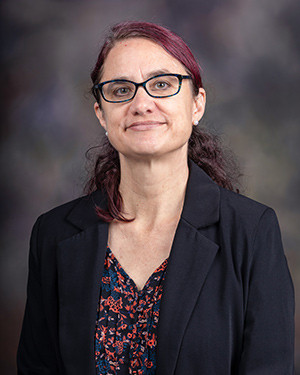
“I encountered new ways of seeing and understanding the world through the deep analysis of my students, who constantly connected the readings to their own life experiences. We never had enough time for our discussions, and at times, there was so much excitement for ideas that I couldn’t get in a word.”
With 50 years to look back on, the faculty hopes the program will see another 50 years and more. Pillai said she wants to see more students have the opportunity to be part of TLD and for more resources to be made available to them. She also hopes for more faculty participation.
She and other faculty members, including the program director, also look forward to TLD’s expansion to female inmates. According to Powers, TLD is working toward using ITV to offer degrees at Lucile Plane State Jail, a women’s prison in Dayton, TX. Powers said he hopes the program will expand to other units as well and offer more bachelor’s degrees.
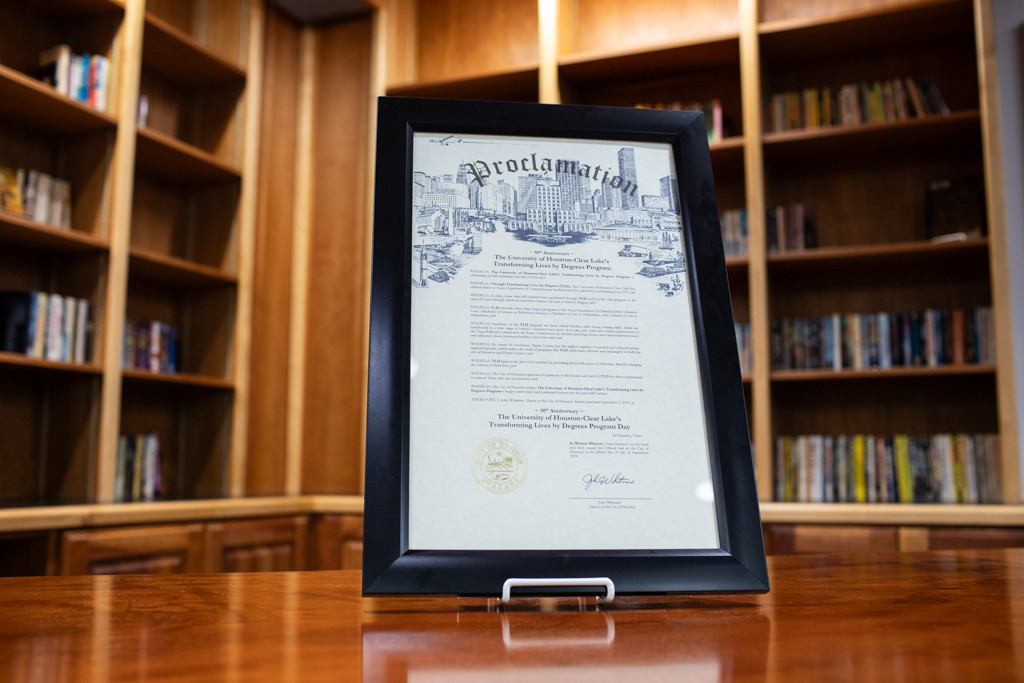
Recognizing the impact that the program has had on the community and in celebration of the 50th anniversary, Houston Mayor John Whitmire declared September 5, 2024, as Transforming Lives by Degrees Day. The proclamation appears on a plaque and now hangs on the front wall of the HSH Dean’s Suite. Harris County also proclaimed this date to be “50th Anniversary of Transforming Lives by Degrees Program Day” in Harris County, in recognition of the faculty’s contributions to the community and dedication to nurturing the next generation of leaders.”
To learn more about this 50-year program, visit the Transforming Lives by Degrees webpage.