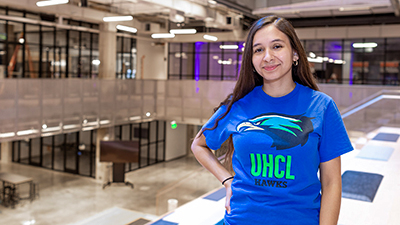


Better Technology Begins With Understanding People
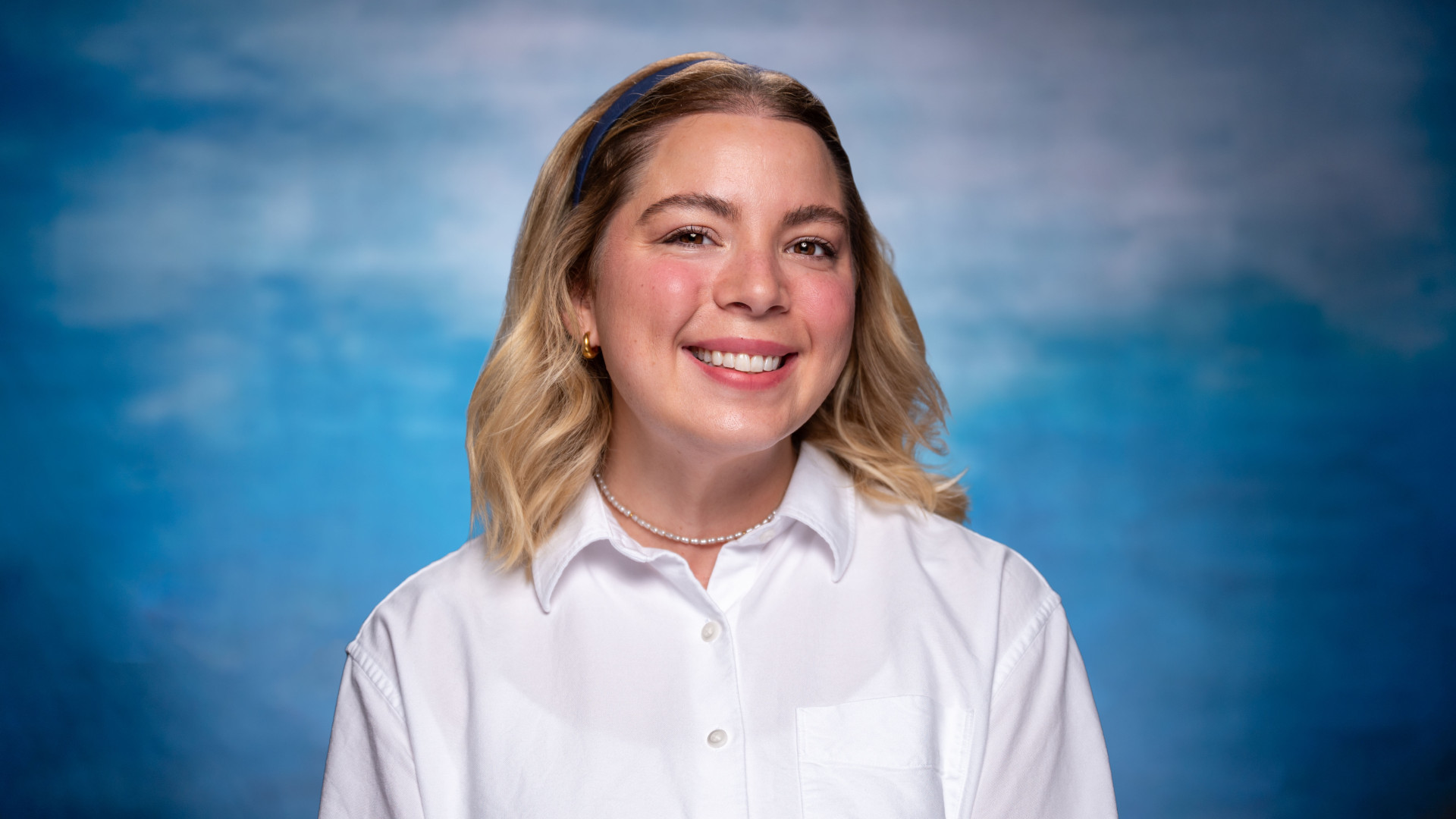
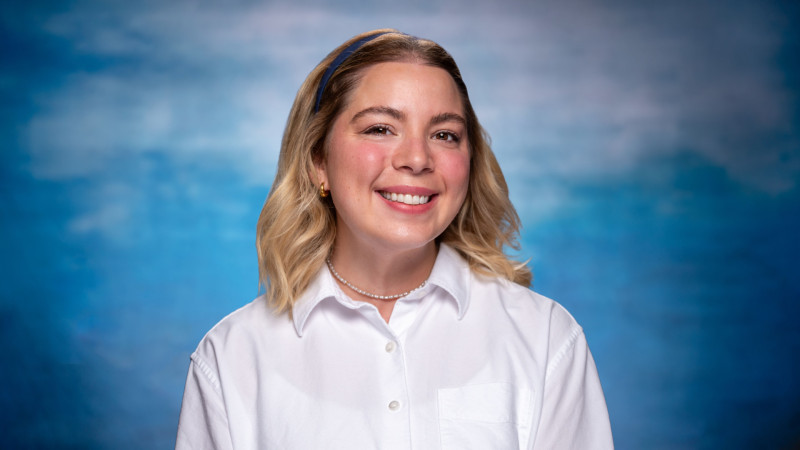
UHCL’s 2026 Early Achievement Award recipient applies human factors research to create products that better serve people.
When technology delivers sensitive health information, seemingly small decisions can carry enormous consequences. The wording of an alert or even its vibration pattern can affect whether someone understands what is happening and knows what to do next. For Angie Avera, ’17 MS, those moments demonstrate why people must remain at the center of product development.
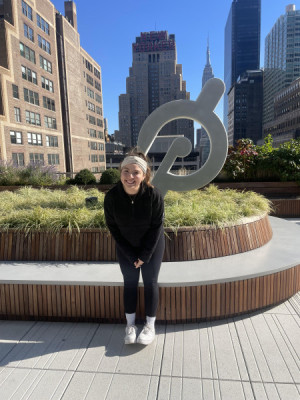 “The whole purpose of products and technology is to make our lives easier and better,” Avera said. “To be able to root what we are doing in a real need and design something to solve that need is so beautiful.”
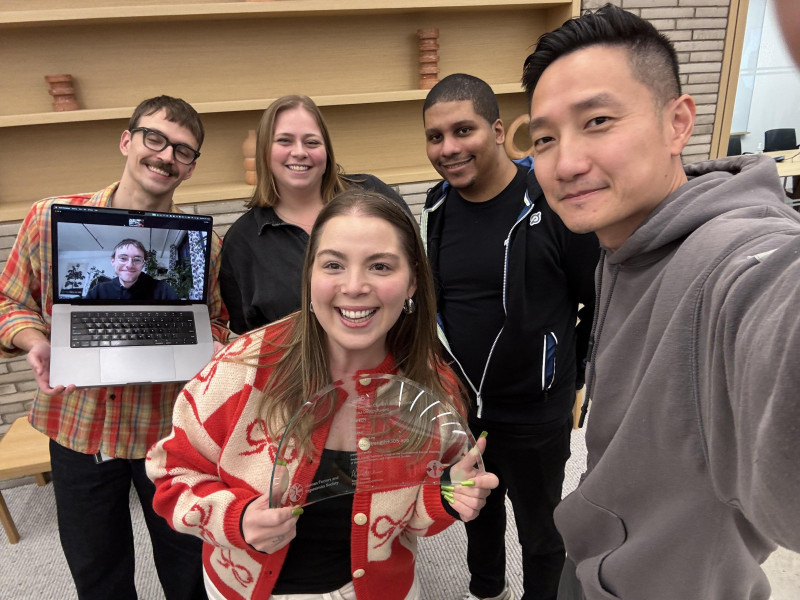
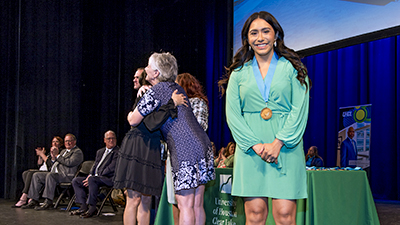
That commitment has guided Avera’s rapid progression from graduate student to research leader at two of the world’s most recognizable technology companies. In recognition of her professional accomplishments, the University of Houston-Clear Lake Alumni Association selected Avera to receive its 2026 Early Achievement Award, which honors graduates age 45 or younger who have distinguished themselves in their professional lives.
Avera did not begin college knowing that human factors research would become her profession. While earning her bachelor’s degree at the University of Texas at Austin, she explored several disciplines before settling on human development. After graduation, she taught kindergarten English in Thailand before returning home still uncertain about what would come next.
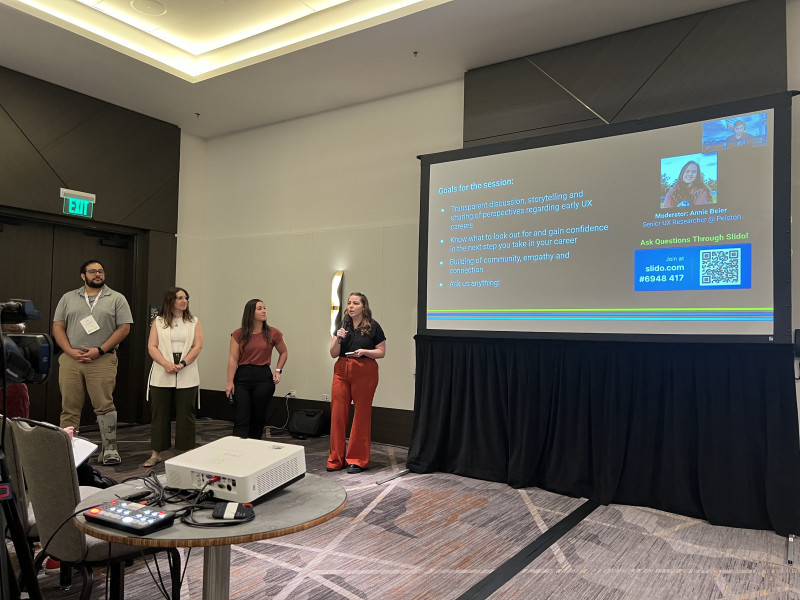
Her first exposure to human factors research came through a project examining human behavior in personal computing. The study measured whether the additional surface area provided by larger laptop touchpads affected how people used them and performed certain tasks. Avera presented the work at a regional conference organized by the Human Factors and Ergonomics Society. She remains active in the organization and spoke at its international conference in 2025.
“I was interested in doing work that would do good in the world,” Avera said. “The whole discipline is about building the world around us to suit us and creating products that are safe and easy to use, products that help people do what they are trying to do.”
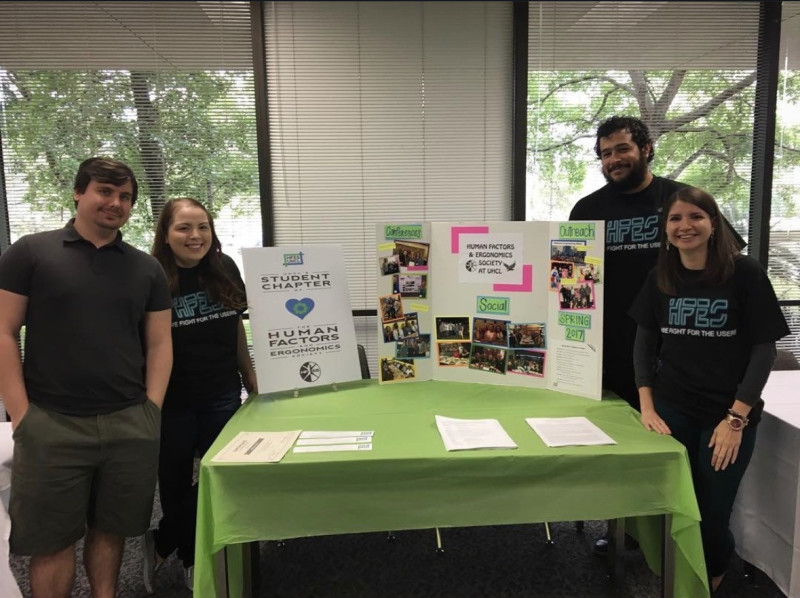 There, Avera met UHCL professor Nicholas C. Kelling and learned about the university’s applied cognitive psychology program, now offered as the Psychology M.S. with a Human Factors concentration. The program offered the scientific grounding she needed in judgment and decision-making, along with an understanding of sensation and perception. It also emphasized applying that knowledge to challenges outside the classroom.
Faculty members placed students in situations that reflected professional practice. Avera worked on a class project with HP and practiced presenting research to demanding stakeholders, learning how to translate evidence into recommendations that product teams could use. She also completed internships with Houston Methodist, a startup and HP, each made possible through relationships connected to the program.
“Without the applied pieces, I wouldn’t have been as ready to jump into the job that I got at Apple right after graduate school,” Avera said. “The program was designed in a way that absolutely prepared me for my career.”
At Apple, Avera contributed to research supporting health and safety features, including fall and atrial fibrillation detection for the Apple Watch. The work required more than determining whether the technology functioned correctly. Researchers also had to understand how people might respond to unfamiliar or frightening information and how the product could guide them toward an appropriate next step.
After the fall detection feature launched, Avera began hearing from people who believed it had helped save their lives or the lives of family members. Those accounts allowed her to see how the research skills she developed at UHCL could influence someone’s well-being far beyond a laboratory or product-development meeting.
“It makes me proud to know that what we work on touches so many people’s lives,” she said. “It is a big responsibility.”
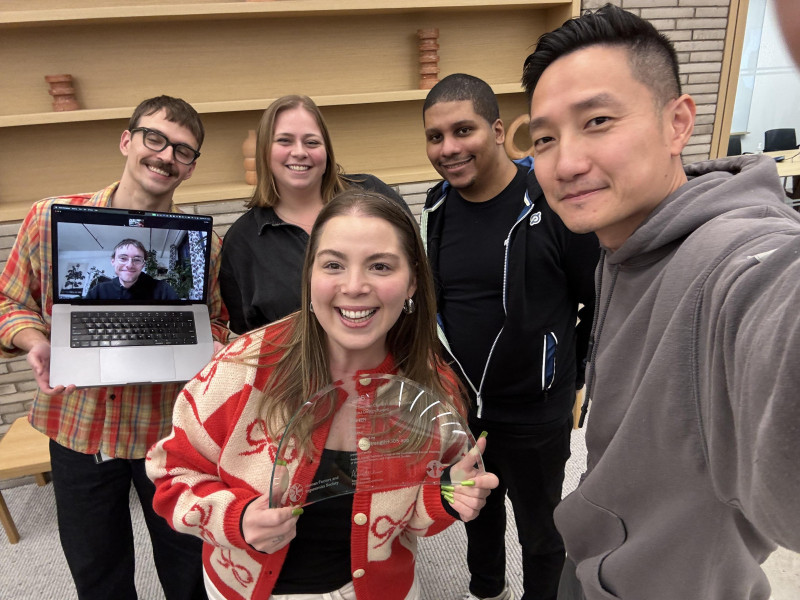 Avera later joined Peloton, where her role has expanded from conducting research to leading research strategy and developing other researchers. She helped guide research for Peloton Strength+, an app built from the ground up as the company expanded into a new area. Her work has also helped teams understand what encourages people to begin exercising and maintain or return to a routine.
For Avera, meaningful research gives a voice to people who might otherwise be absent from product-development decisions. Without it, teams can design around their own experiences and assumptions, potentially overlooking people who think or interact with technology differently.
“When you do research well, ideally you get products that are actually safe and effective for more people,” she said. “It helps the whole team innovate. It helps us build things that solve problems, rather than design for design’s sake or build for building’s sake.”
As Avera’s influence has grown, so has her responsibility for creating opportunities for others. She now considers coaching and mentoring researchers among the most rewarding parts of her work because it allows her to extend the same kind of support that helped her enter the field.
One member of her team first contacted Avera through LinkedIn and told her, “You have my dream job.” Avera agreed to an informational conversation, and the two stayed connected. When a position later became available, the researcher applied and was hired.
“Now she has her own dream job, which is so cool,” Avera said. “When people reach out for those informational conversations, whether it is a student or someone new to the field, I try to remember that you should want to give back in the same way someone helped you get your foot in the door.”
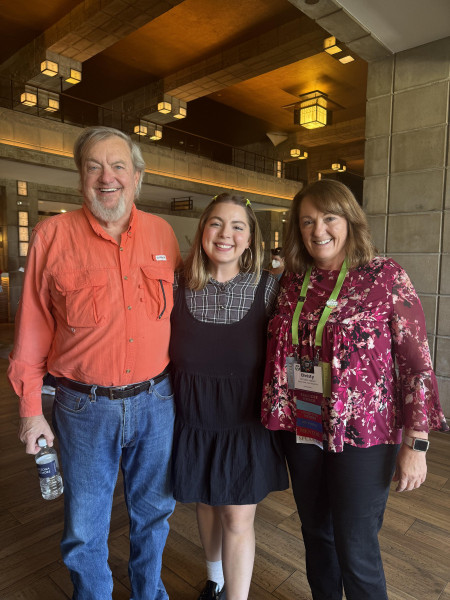
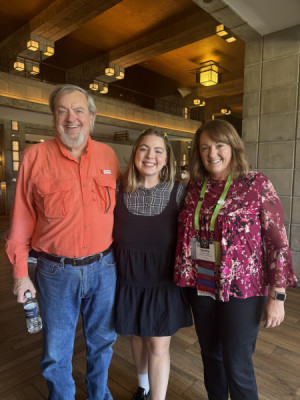 Avera has maintained that same connection to UHCL by staying in contact with faculty, speaking to classes and meeting with students. Receiving an alumni award also carries special meaning for her family. Her mother, Christy Harper, ’92 BS, ’94 MA, received UHCL’s Distinguished Alumni Award in 2016.
Avera views the Early Achievement Award not as a conclusion, but as recognition of a foundation that continues to shape her work. The education and professional relationships she found at UHCL helped her enter a field in which understanding people can lead to safer technology and experiences that improve lives. She is now building on that foundation by making sure the next generation of researchers has opportunities to do the same.
“I don’t think I would have ended up at Apple, and I wouldn’t be at Peloton, if I hadn’t been in that program with those professors at that time,” Avera said. “It all is connected.”