





An Education That Expanded His Reach
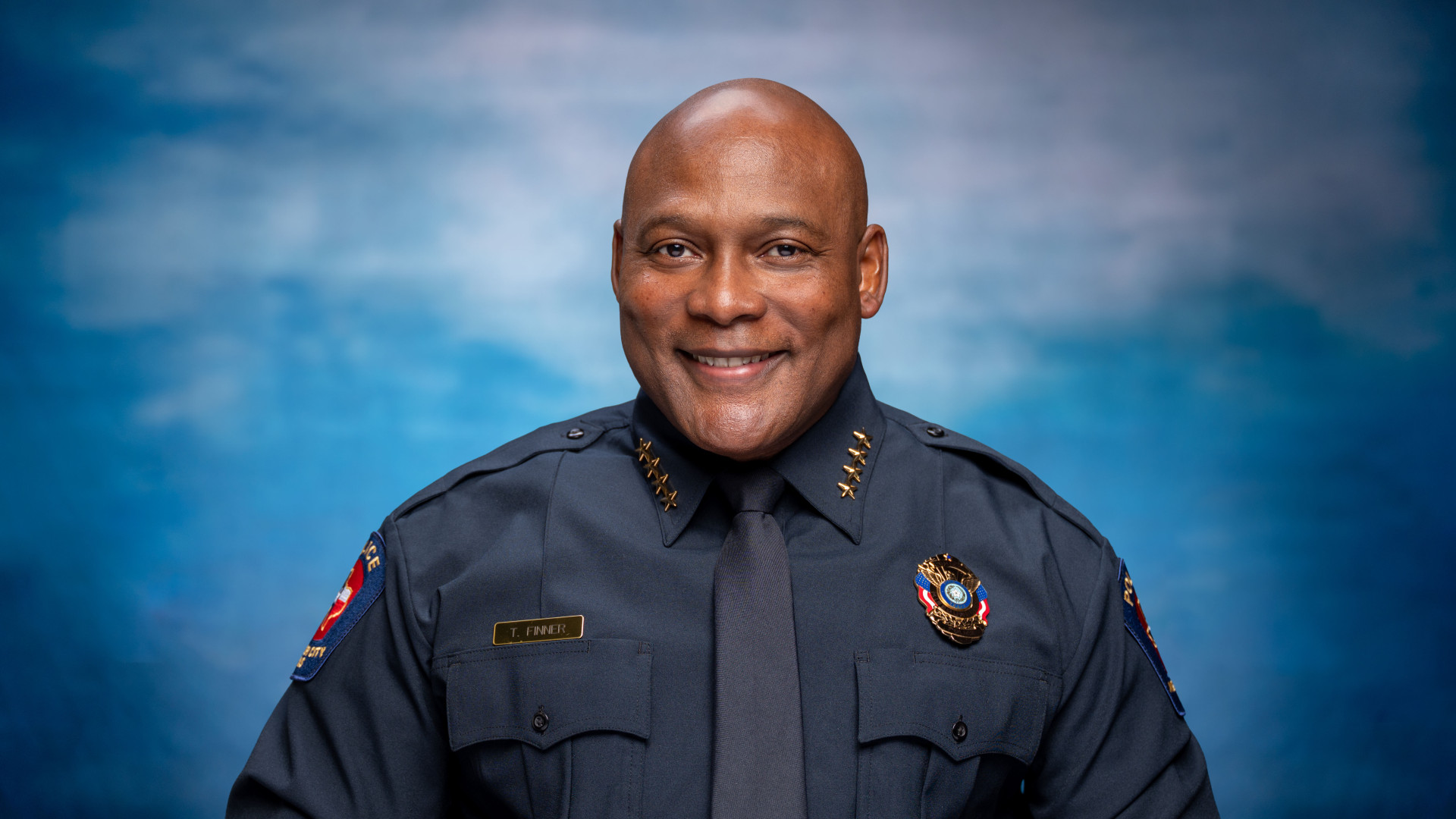
Distinguished Alumni Award recipient Troy Finner, ’09 MA, credits his UHCL education with preparing him to lead through complex challenges, build community trust and create opportunities for others.
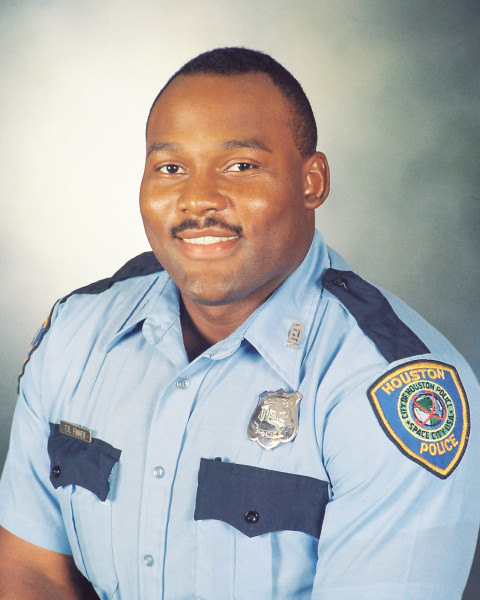
 When Troy Finner enrolled in University of Houston-Clear Lake’s Master of Arts in Criminology program, he was already a lieutenant with the Houston Police Department. He worked approximately 62 hours each week, balancing his police duties and additional employment with classes and family responsibilities.
Finner did not yet know he would eventually lead two police departments. He understood, however, that continuing his education could prepare him for greater responsibility. UHCL helped make that education attainable by offering many of his courses at the CAPE Center, allowing him to pursue a graduate degree while continuing to work full time and support his family.
“I don’t know how I did it, but by the grace of God and a lot of support from family members, close friends and thoughtful, caring professors, I did,” Finner said. “Had it not been for the accommodations of the University of Houston-Clear Lake, I would never have reached the level I was able to reach.”
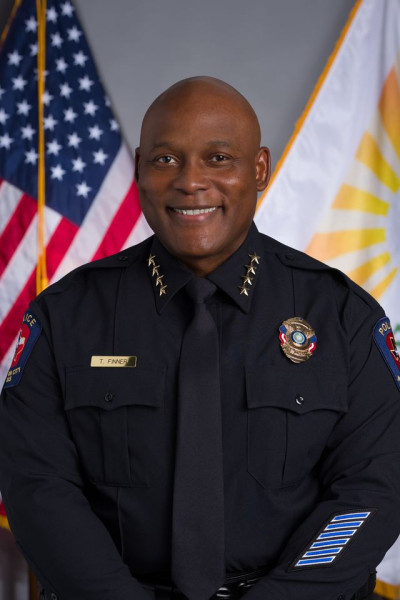
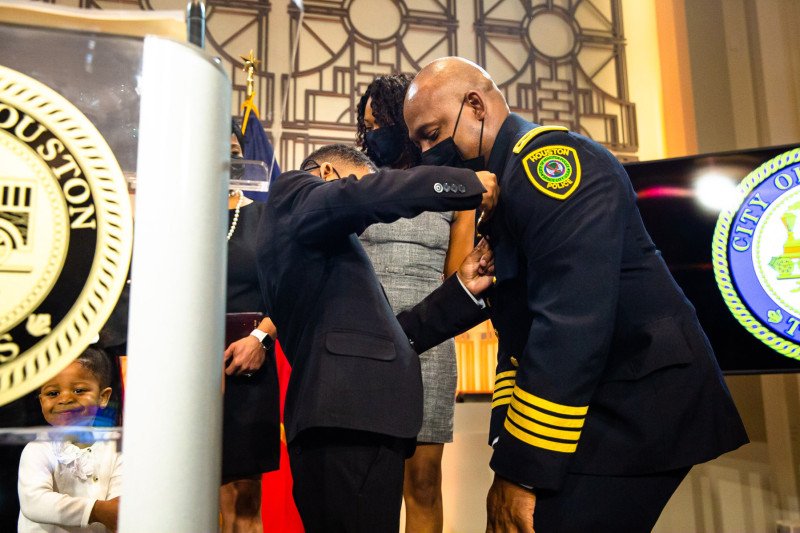
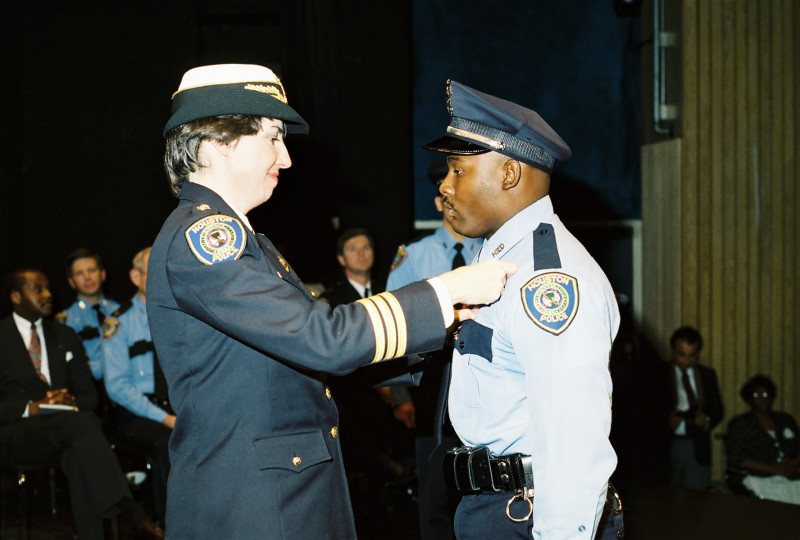 Finner went on to become executive assistant chief and chief of the Houston Police Department and now serves as police chief for Missouri City. His professional leadership and contributions to community have earned him the UHCL Alumni Association’s Distinguished Alumni Award, which honors graduates whose accomplishments and service have made substantial contributions to society and brought credit to the university.
The scale of Finner’s leadership reflects that distinction. As Houston police chief from 2021 to 2024, he led the largest municipal police department in Texas, overseeing more than 5,000 sworn officers and over 900 civilian employees during a period marked by the effects of the COVID-19 pandemic and heightened concerns about violent crime. In 2022, HPD reported declines in homicides, robberies, aggravated assaults and rapes.
Finner measures that work less by the size of the department he led than by what greater responsibility allowed him to make possible. As he advanced, he gained more opportunities to enter difficult situations, bring people together and help create better outcomes.
“I love big problems, big solutions,” he said. “Having the ability to reach your hand into something that needs fixing and being part of that process, gathering people, establishing relationships and putting protocols in place, is so powerful and rewarding to me.”
His UHCL degree satisfied an educational requirement for promotion to assistant chief, but its value extended beyond opening the next professional door. Graduate study challenged Finner to examine the history, experiences and perceptions that shape relationships between law enforcement and the communities officers serve.
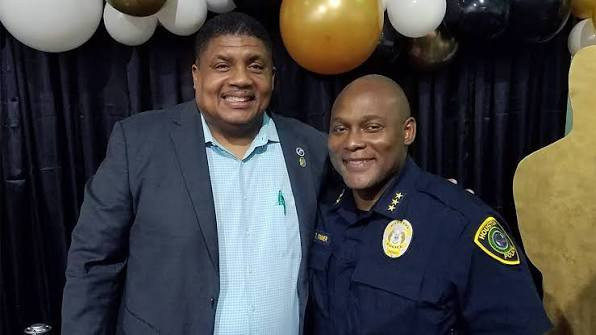 A course on race and crime taught by Dr. Everett Penn was particularly influential. Finner remembers the workload as demanding, especially while managing the responsibilities of work and family, but the course gave him a fuller understanding of issues he would later confront as a police leader.
Penn approached difficult historical subjects with facts and care, Finner said. The course created room to acknowledge past injustices and examine how they continue to shape people’s experiences without allowing the conversation to end in division. Students were instead challenged to consider what could be learned and how communities could move forward together.
“It made me more complete,” Finner said. “It helped me understand the history of race and crime, how those things relate, the effect they have on people and how they can divide people. But most importantly, how do we move forward?”
That question became central to Finner’s leadership. He came to understand that authority alone cannot produce safer or stronger communities. Effective policing depends upon relationships developed through listening, presence and respect.
Finner describes those relationships as an oak tree. Trust cultivated over many years can withstand periods of conflict and public scrutiny because its roots extend deeper than any single event.
“When people know who you are, and they trust you and respect you, no matter what storm is blowing, that oak tree is always going to be deeply rooted,” he said. “You’re going to lose some leaves. You’re going to lose a few branches, but it’s going to stay planted in the ground.”
Developing those roots requires work that often happens outside public view. Finner points to visiting families during their worst moments, listening to residents whose experiences differ from his own and being present during protests to protect both public safety and the right of people to be heard.
“When we give importance to a person’s perception and life experiences, we can build bridges,” he said. “True community policing is listening to people, hearing them and respecting where they are in life at that moment.”
That commitment also extends to young people. Finner credits parents, relatives, teachers, coaches and neighbors with providing the encouragement and accountability that helped him succeed. He believes officers and other professionals have a responsibility to form meaningful relationships with young people before they encounter a crisis or enter the justice system.
Finner has advocated for youth mentoring programs that help strengthen trust and communication between young people and law enforcement. He describes that support not as a handout, but as a hand up, intended to help young people develop the confidence, judgment and independence to shape their own futures.
“We reach in and pull them up, but we teach them how to be independent and how to think independently,” Finner said. “Nobody is going to make it if they are just left to the side to fend for themselves.”
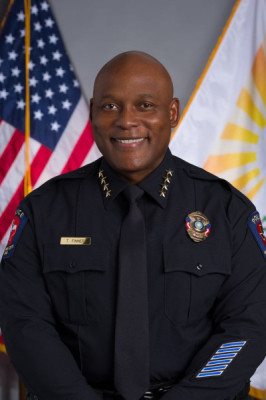 For younger officers and future public-service leaders, Finner offers a principle that is simple to state and difficult to practice consistently: Do what is right. That requires studying the facts, resisting pressure, using authority responsibly and treating people with dignity, particularly when circumstances are tense.
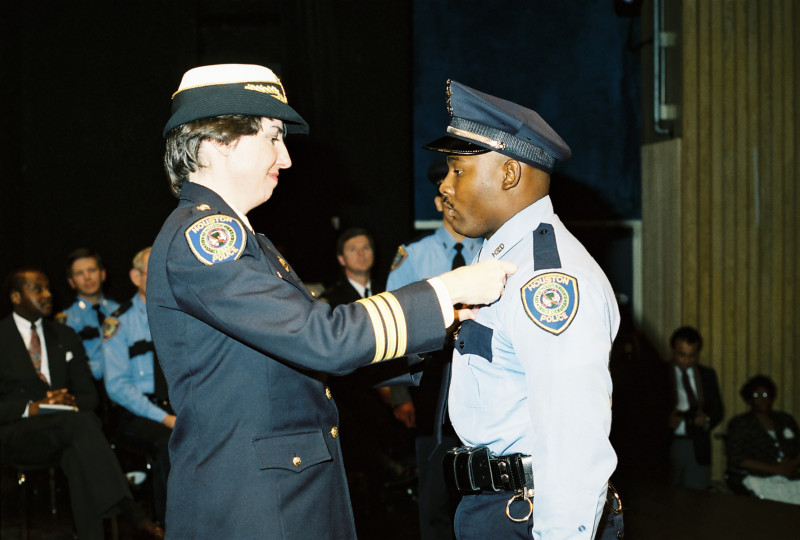
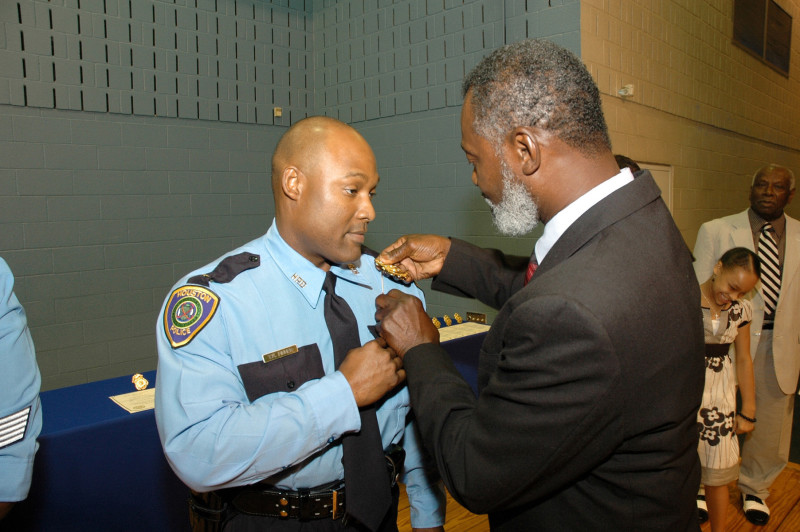
Finner’s selection for the Distinguished Alumni Award recognizes more than his rise from patrol officer to chief. It reflects how he has applied education, experience and increasing responsibility to confront complex problems, strengthen community relationships and help prepare others to lead.
What began as a working lieutenant’s determination to earn a graduate degree became greater capacity to serve. Finner’s experience shows how access to education can expand one person’s reach from the classroom, to an organization, to the lives of the people and communities that leader is prepared to understand, protect and bring together.