



Renowned NASA Flight Director Glynn S. Lunney Papers now available for research
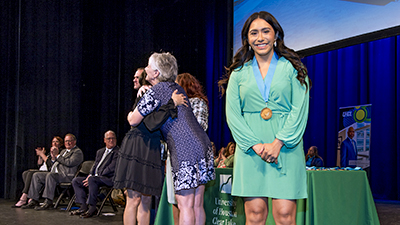
The University of Houston-Clear Lake’s (UHCL) Alfred R. Neumann Library is proud to announce the opening of a rare and extensive archival collection documenting the life and career of celebrated NASA engineer, flight director, and program manager Glynn S. Lunney.
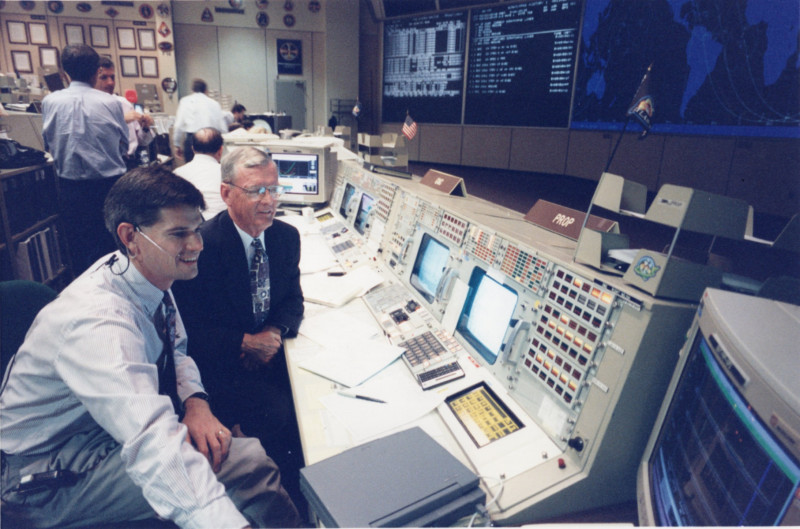
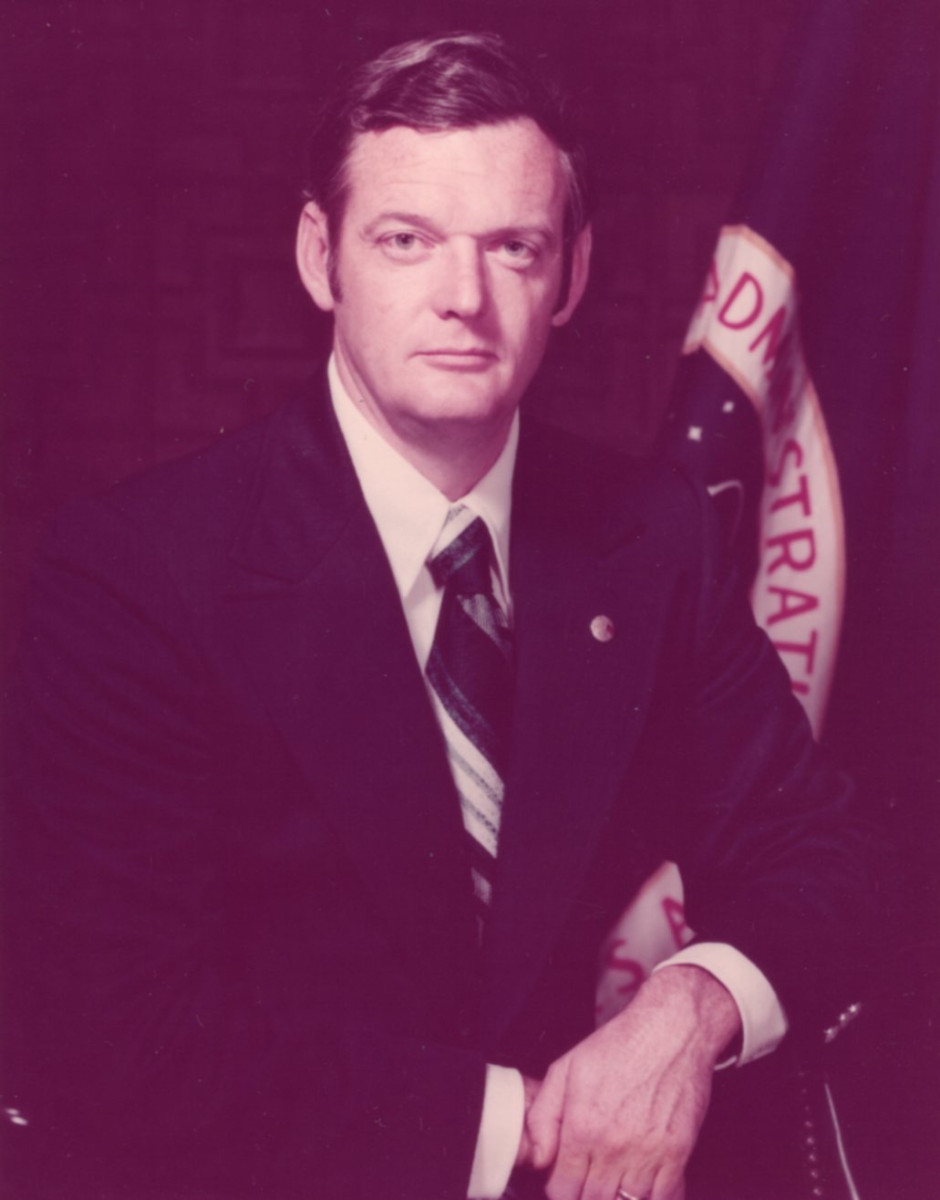
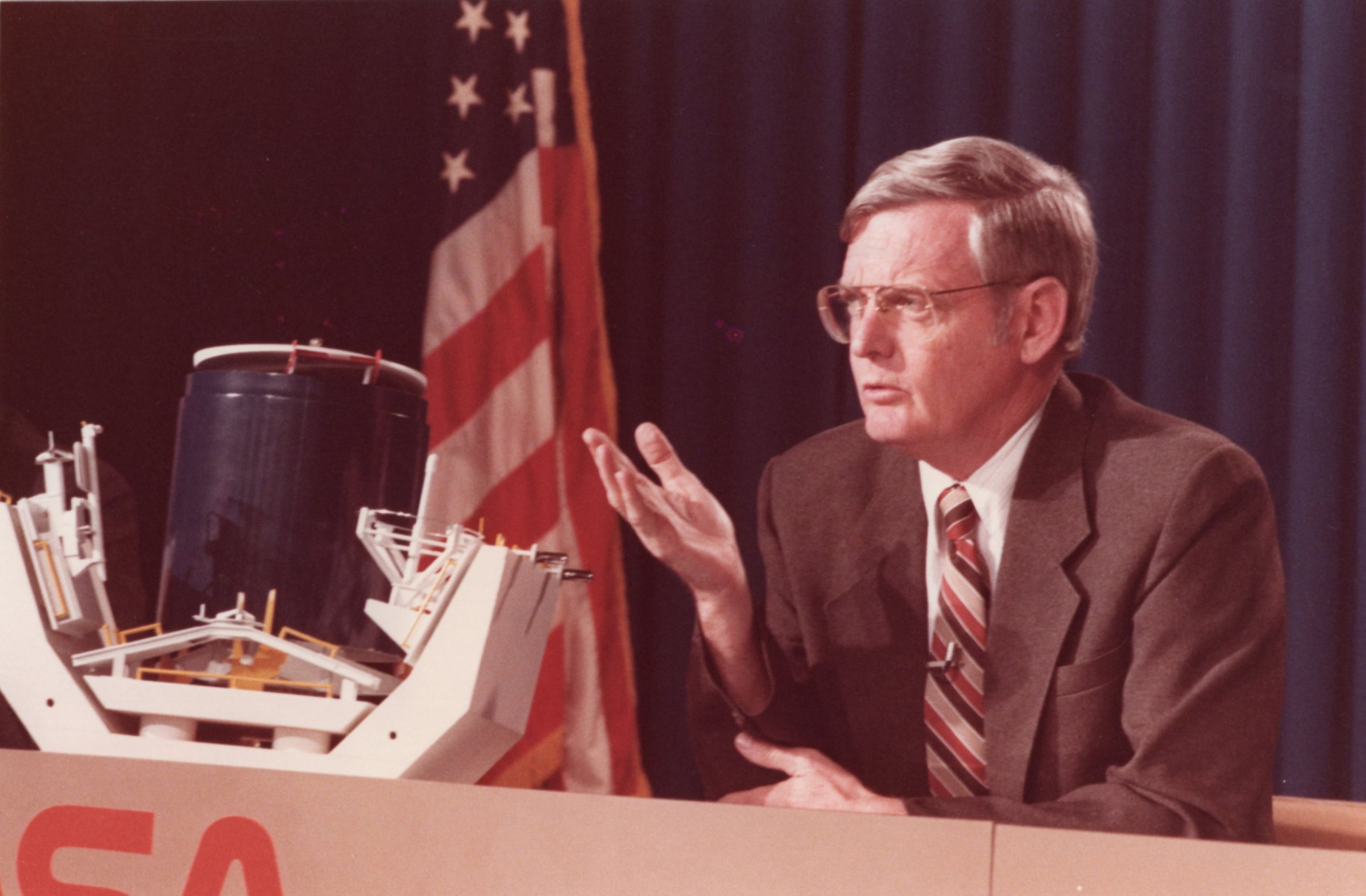
Best known for his leadership roles during the Apollo 11 Moon landing and the dramatic Apollo 13 rescue mission, Lunney was a pivotal figure in NASA’s early human spaceflight programs. His influence spanned from Project Mercury in the 1950s to the development of the International Space Station in the 1990s. In 1981, he became the manager of the Space Shuttle Program Office just before the launch of the first Shuttle mission.
Now, researchers and the public can explore the Glynn S. Lunney Papers (HSF-90), housed in UHCL’s Human Space Flight Collection at Neumann Library’s UHCL Archives and Special Collections. Donated by Lunney’s family, the collection offers a rare, behind-the-scenes look at one of the most important figures in the history of American space exploration.
A Giant of Human Spaceflight
 Born in a Pennsylvania coal mining town, Lunney’s journey to becoming a Presidential Medal of Freedom recipient and one of NASA’s top flight directors is told through original correspondence, personnel records, photographs, handwritten flight notes, and more. The materials span from the 1940s through 2013 and include his high school and college years, professional achievements, and personal milestones.
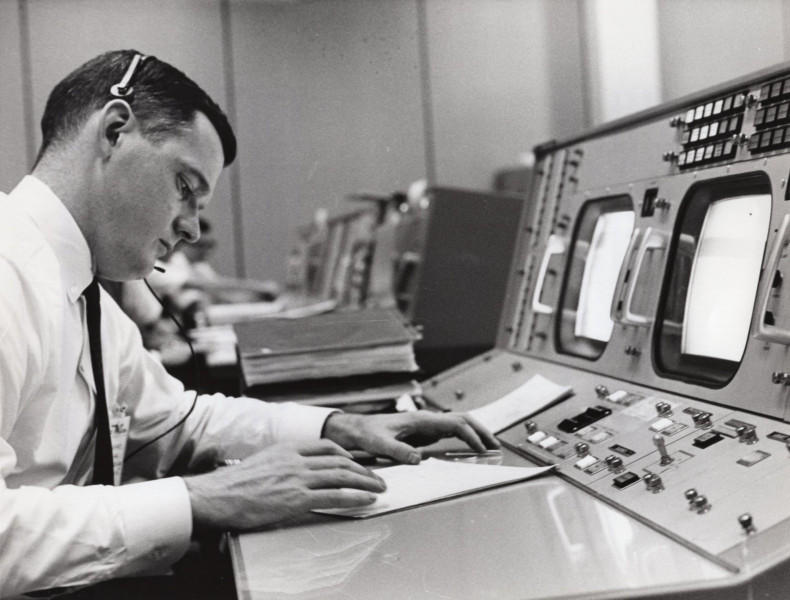
More than 1,700 photographs — many original NASA prints — highlight both Lunney’s work at NASA and his personal life. These rare images provide a rich visual record of a man who helped shape the future of human spaceflight.
Apollo 13 and Beyond
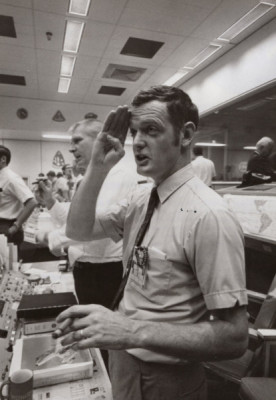
One of Lunney’s most defining moments came during the Apollo 13 mission on April 13, 1970. As the evening shift was about to begin, an oxygen tank exploded on the spacecraft en route to the Moon. Lunney and his flight control team took immediate command, helping orchestrate the critical course corrections that would bring the astronauts safely back to Earth. Many widely credited his team’s swift, steady response with saving the crew.
Materials in the collection reflect the chaos and heroism of that mission, including Lunney’s personal, handwritten maneuver pad and his annotated copy of the Apollo 13 Final Flight Plan. Also preserved is the original thank-you teletype message sent by the returning Apollo 13 crew from the USS Iwo Jima.
Cold War Diplomacy in Space
The collection also dedicates significant focus — more than one-third of its content — to Lunney’s leadership in the Apollo-Soyuz Test Project (ASTP). This joint U.S.-Soviet space mission marked a key turning point in Cold War-era diplomacy. As project manager from 1970 to 1975, Lunney helped lay the groundwork for international cooperation in space that continues today with the ISS.
Lunney often said that the Apollo-Soyuz Test Project was one of the most important accomplishments of his career. The unveiling of this collection coincides with the 50th anniversary of the mission, which launched on July 15, 1975.
Personal Legacy
The Lunney Papers also reveal his influence outside the control room. Items from the production of the 1995 film Apollo 13 include letters from actor Marc McClure, who portrayed Lunney, director Ron Howard, and lead actor Tom Hanks.
“The Glynn S. Lunney Papers provide the public with a 360-degree view of a man considered to be a symbol of America’s progress during the early days of the US space program. He rose from a family of Pennsylvania coal miners to earn the Presidential Medal of Freedom as a NASA flight director,” said Matthew Peek, associate director of the UHCL Archives and Special Collections. “Known for his role in the space program as a flight director, we hope to use the materials in the collection to show his full life to the public, and how he faced the many pressures and challenges that affected him and his family throughout the space race of the 1960s and 1970s.”
Access and Availability
Most of the collection is open to the public and available for research in the Archives' public reading room. Some of Lunney’s NASA records are subject to Export Control restrictions, limiting access under federal guidelines.
For more information or to plan a visit, contact Matthew Peek at UHCL Archives and Special Collections at Neumann Library.